
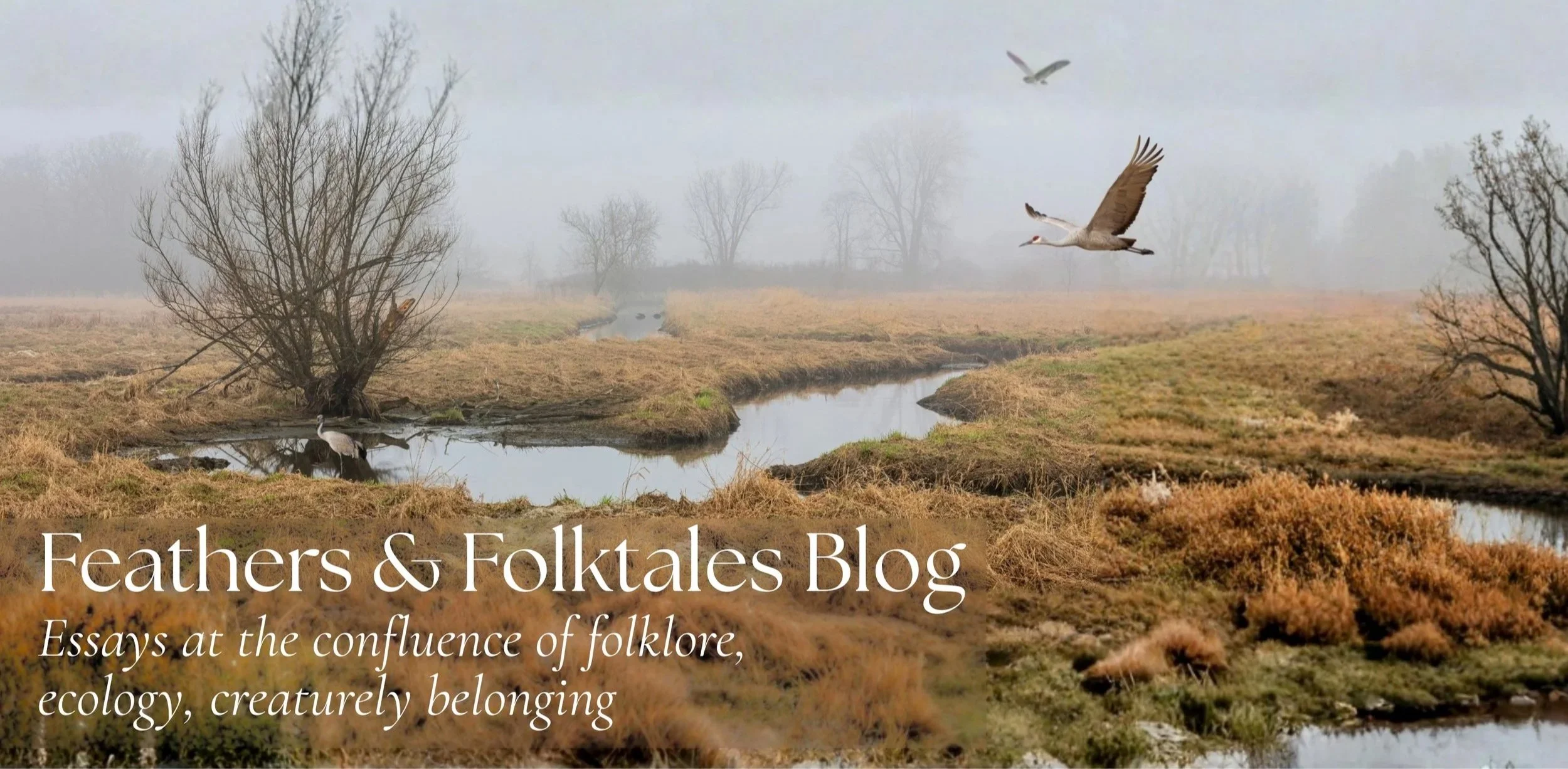
Since the first dreaming of the world, there have always been stories in which the earth found a body, a voice, and a face through which to enter our human world, dreaming herself into human form. Creaturely heroines are not merely figures who move through the landscape but an expression of the courtship of human imagination and the earth, the way the land births herself into being in the storied world, this marriage-place of worlds. Through the creaturely heroine’s ecstasies and griefs, her shapeshifting and return, we are welcomed into an imaginal realm beyond the limited scope of our human experience, and we begin to see see the world through the wild’s eyes. She is the earth’s emissary, the way the wild enters into our world embodied, drawing us into an emotional kinship felt before it is understood.
Read MoreCreatures Who Carry The Sun: Mythic animals who carry, birth, and cradle the light
In the deep memory of our Earth, as the year turns, we witness the sun returning, brightened by the quiet tending of Earth’s creaturely beings. Across traditions, both ancient and living, these sun animals chase the sun, free it, temper its heat, and watch over it with attentive, nurturing care until dawn hatches. Within the spell of these stories, we begin to feel like we are living within a relational universe—awake, watchful, alive, and attuned. And with this sense of belonging, the stories can open a quiet space where the edges of a once indifferent world soften, and trust quietly unfurls, allowing wonder to rise as we follow the sun on its journey across the sky.
Read More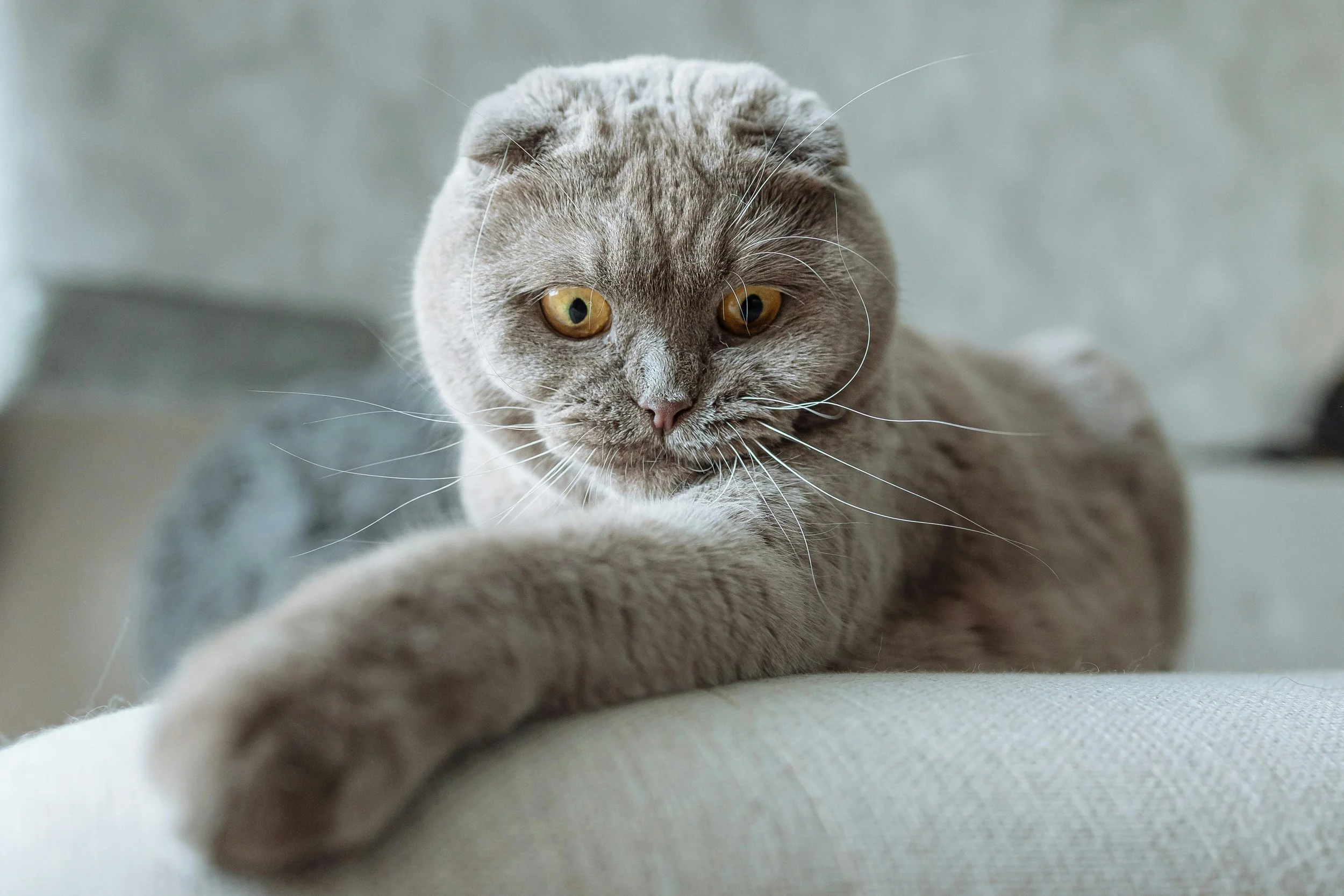
Photo Credit: Thirdman on Pexels
The Trickster's Timeless Tango: Puss in Boots and the Endless Dance of Tradition and Change
Should we preserve ancient stories exactly as they were first told, or do we have the right to reimagine them for our own time? From the centuries-old folktale of a mischievous cat to the swashbuckling charm of Universal Studios’ recent animated Puss in Boots, this beloved feline trickster slips nimbly between worlds and eras into our modern day hearts. Reflecting on the reinvention of Puss in Boots feels timely and meaningful. His story offers a vivid example of how a classic folktale can be reshaped to capture the imagination of new audiences. What if tradition and change are not in a battle, but are dancing a flirtatious two-pawed tango—an intimate, ever-shifting eternal dance of lead and follow, keeping stories vibrantly alive.
Read MoreFairy Rings and Feral Things: the Forgotten Fungal Folklore Web
What if the truths we discover through microscopes has long been told in myth — rooted in the threads of timeless story beneath our feet? Modern science is only now catching up to the quiet wisdom of fungal folklore that has always been humming beneath the forest floor since ancient times. Beneath the mulch of memory, mushroom lore holds the spore-seeds of stories—tales of wild women and earth-born wisdom, of how the world first woke and began to weave itself alive.
Read MoreSacred Hare Divine Feminine: Where Moon, Sacred Hare & Womb Dance as One
What weaves its way like an underground warren beneath the borders of conquest and control, preserving our collective wild sisterhood with the earth across time, cultures and landscapes? The ancient link between hares, the divine feminine, and the moon journeyed from Asia to the Americas—carried by storytellers, pilgrims, healers, and wanderers. What might we reclaim if we traced their sacred steps?
Read MoreThe Sky Goddess: Generously Weaving Together Worlds
Bridging continents and cultures, the Eswatini folktale of Cloud Princess from Africa and the Haudenosaunee folktale of Sky Woman from North America, offer us their shared and relevant wisdom enriching, deepening and expanding our understanding of the meaning of “generosity” in unexpected ways. We learn generosity is the vital and sacred choice that can weave us back into relationship with each other, draw us into closer kinship with the wild, and open ourselves up to belonging to a larger whole.
Read MoreThe Goddess Isis: Shedding and Becoming
In the beloved Egyptian myth of Isis, Isis searches for the scattered parts of her murdered husband’s body, resembles him, and breathes life back into him, and makes love to him, which then gives birth to Horus who becomes the next Pharaoh of Egypt. Isis shows us that taking the aerial point of view, or birds-eye-view, gives us the power to hold the tension between what is dissolving and what is emerging, to see the whole instead of only the parts, and to recognize our own agency in the potential for transformation.
Read More